
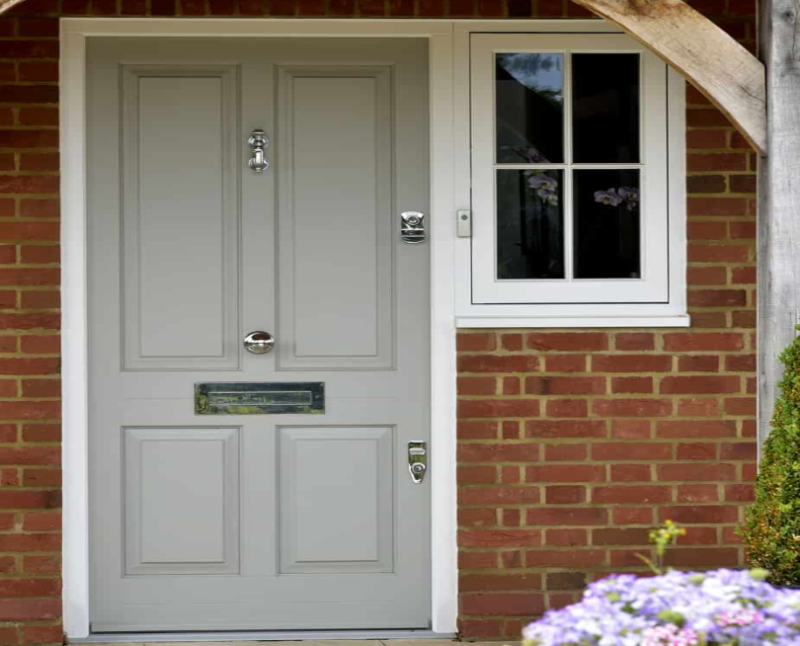
High performance doors are shaping the future of exterior joinery by meeting the growing demand for energy efficiency, durability, and improved building performance. For renovators and specifiers, selecting the right door is no longer just about appearance. Instead, it is about ensuring long-term value through better insulation, security, and comfort.
As building standards evolve, expectations for external doors have increased. Projects now require solutions that contribute to overall efficiency while maintaining design integrity. Because of this, high performance doors are becoming a preferred choice in both residential and commercial applications.
In addition, modern manufacturing techniques allow for greater consistency in production. This ensures that each door delivers reliable performance, which is essential when working on projects with strict specifications.
The Growing Importance of Performance in Exterior Doors
Exterior doors play a critical role in how a building performs. They act as a barrier between internal and external environments, which means they must handle temperature changes, weather exposure, and daily use. As expectations rise, performance has become a central consideration.
High performance doors are designed to meet these challenges. They help maintain indoor comfort by reducing heat loss and limiting air leakage. This is particularly important in renovation projects where improving efficiency is a key objective.
For specifiers, performance-driven joinery offers greater confidence. When doors are manufactured to consistent standards, it becomes easier to achieve the desired outcome without unexpected issues. This reliability supports both design intent and practical functionality.
Energy Efficiency and Thermal Control
Energy efficiency remains one of the main reasons why high performance doors are widely specified. Doors that lack proper insulation can lead to significant heat loss, which affects both comfort and energy use.
Modern door construction focuses on improving thermal performance through better materials and design. As a result, buildings can retain heat more effectively during colder months while staying cooler in warmer conditions.
Improved Insulation Through Design
Thermal efficiency is achieved by combining materials that reduce heat transfer. This includes well-constructed cores and carefully designed layers that help maintain internal temperatures. The goal is to create a barrier that limits the movement of heat.
Long-Term Benefits for Renovation Projects
Over time, improved insulation contributes to a more stable indoor environment. This not only enhances comfort but also supports energy-conscious design approaches. For renovators, it means creating spaces that perform better without compromising on style.
Airtightness and Environmental Protection
Airtightness is another important factor in door performance. Even small gaps can allow air to pass through, which reduces efficiency and creates discomfort. High performance doors are designed to minimise this issue through precise construction.
In addition, weather resistance plays a key role. Doors must be able to withstand exposure to rain, wind, and changing temperatures. By combining airtight seals with durable materials, manufacturers can deliver products that perform reliably in different conditions.
Precision Manufacturing for Better Sealing
Accurate manufacturing ensures that doors fit correctly within their frames. This helps create a tight seal that prevents unwanted air movement. As a result, internal conditions remain stable throughout the year.
Consistency Across Installations
Consistency in production ensures that each door performs in the same way. This is particularly important for larger projects where multiple units are required. When all doors meet the same standards, the overall building performance improves.
Acoustic Performance and Internal Comfort
Noise control is becoming increasingly important, especially in urban environments. Doors that provide effective acoustic insulation can significantly improve the quality of indoor spaces.
High performance doors are designed to reduce sound transmission. This helps create quieter interiors, which is beneficial in both residential and commercial settings. For example, reducing external noise can improve concentration in workspaces or enhance comfort in living areas.
In addition, acoustic performance often works alongside thermal efficiency. Doors that are well-constructed tend to provide both benefits, making them a practical choice for modern projects.
Security and Structural Reliability
Security is a key consideration when selecting exterior doors. A well-constructed door must provide a strong barrier against potential threats while maintaining ease of use.
High performance doors are built with structural integrity in mind. Strong cores and reliable construction methods help ensure durability over time. This makes them suitable for environments where safety is a priority.
For specifiers, combining security with performance simplifies the selection process. Instead of choosing between different features, they can specify doors that meet multiple requirements at once.
Material Selection and Manufacturing Quality
The materials used in door construction have a direct impact on performance. Timber, when properly selected and prepared, offers both strength and visual appeal. However, achieving consistent results requires careful control during manufacturing.
Manufacturers focus on selecting materials that meet specific standards. This includes ensuring stability and suitability for external use. By maintaining strict processes, they can deliver products that perform reliably over time.
If you want to understand more about the expertise behind this process, you can explore wooden doors manufacturers .
Balancing Design with Performance Requirements
Modern projects often require doors that meet both aesthetic and functional needs. This can be challenging, as design features must not compromise performance.
High performance doors address this balance by integrating design with engineering. This allows architects and designers to achieve their vision while maintaining efficiency and durability.
Adapting to Different Architectural Styles
Doors must complement the overall design of a building. Whether the style is traditional or contemporary, performance features can be incorporated without affecting appearance.
Maintaining Consistency Across Designs
Even when designs vary, consistency remains important. Manufacturers use structured processes to ensure that each door meets the same standards, regardless of its visual style.
Why Consistency Matters in Performance Doors
Consistency ensures that every door delivers the same level of performance. This is particularly important for large projects where multiple units are installed. Variations can lead to issues during installation or affect the overall appearance.
By maintaining consistent manufacturing processes, suppliers can provide reliable products that meet specifications. This reduces the risk of delays and helps ensure that projects run smoothly.
The Role of Expertise in Door Manufacturing
Behind every well-performing door is a combination of technology and craftsmanship. Skilled professionals play an important role in ensuring that each stage of production meets the required standards.
Experience allows manufacturers to refine their processes over time. This leads to improved consistency and better overall results. For specifiers, working with experienced suppliers provides confidence in the final product.
In addition, expertise helps address challenges during production. This ensures that doors are not only well-made but also suited to their intended use.
Planning for Long-Term Performance
When selecting doors, it is important to consider long-term performance rather than short-term benefits. Doors are a key part of the building envelope, which means they must continue to perform over time.
High performance doors are designed with durability in mind. They are built to handle regular use while maintaining their structural integrity. This makes them a reliable choice for projects that require lasting quality.
If you are planning a project and need guidance, you can reach out here: contact us
Conclusion
High performance doors are becoming an essential part of modern exterior joinery. They offer a combination of energy efficiency, airtightness, acoustic control, and security, making them suitable for a wide range of projects.
For renovators and specifiers, these doors provide a reliable solution that meets both design and performance requirements. By focusing on quality materials and consistent manufacturing processes, they deliver long-term value and dependable results.
As building standards continue to evolve, the importance of performance-driven joinery will only increase. Choosing the right doors is no longer just a design decision. It is a key factor in creating efficient and comfortable spaces.
FAQs
2. Are these doors suitable for renovation projects?
Yes, they are often used in renovations to improve energy efficiency and comfort. They help upgrade existing buildings without changing the overall design significantly.
3. Do performance doors help with noise reduction?
They can reduce external noise due to their solid construction and sealing. This creates quieter indoor environments, especially in busy areas.
4. How do I choose the right door for my project?
Consider factors such as thermal performance, durability, and design compatibility. Working with experienced manufacturers can also help ensure the right selection.
5. Why is airtightness important in exterior doors?
Airtightness prevents unwanted air movement, which improves energy efficiency and comfort. It also helps maintain stable indoor conditions throughout the year.