
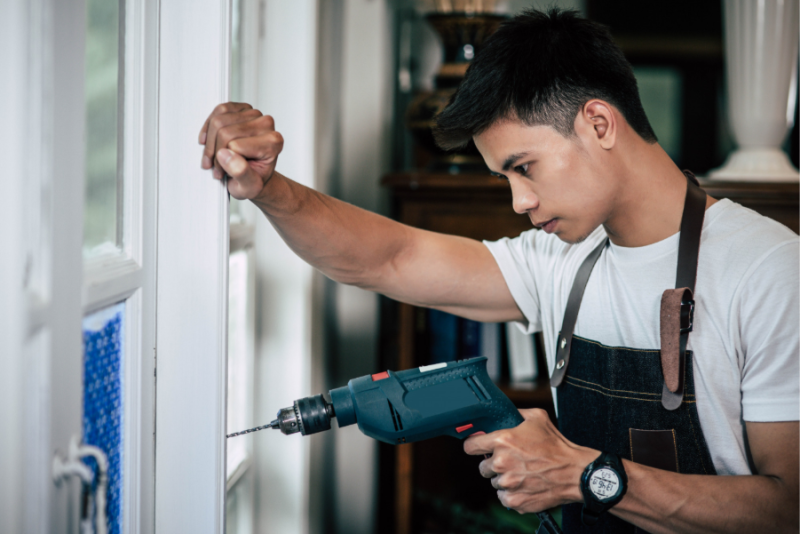
When it comes to creating a lasting impression in any home or commercial space, timber doors play a defining role. From their natural warmth to their timeless appeal, wooden doors remain a hallmark of quality craftsmanship. However, even the finest products can underperform if installed incorrectly.
At WH Carden, a leading wooden doors supplier in the UK, precision and craftsmanship are at the heart of every project. Our experience has shown that small installation errors can compromise the appearance, performance, and longevity of timber doors.
This guide explores the most common timber installation mistakes, how to avoid them, and why working with a professional joinery specialist ensures your doors perform beautifully for years.
Understanding the Value of Expert Timber Installation
A beautifully made timber door is more than a functional barrier—it’s a statement of design integrity. Correct installation enhances that design by ensuring alignment, durability, and reliable operation.
Whether for external doors in Buckinghamshire or bespoke interior joinery, correct fitting is essential to preserve the wood’s natural properties. Every stage, from sealing to fixing, influences how a door settles and withstands daily use.
By learning from a trusted wooden doors supplier, DIY enthusiasts and contractors alike can avoid the small oversights that lead to big problems later.
1. Poor Sealing: The Root Cause of Timber Damage
Timber is a natural material that reacts to moisture, temperature, and humidity. When a door isn’t properly sealed—especially along its edges and end grains—it can absorb moisture unevenly.
This leads to swelling, warping, and cracking, often noticeable at the bottom edges or hinge sides. The problem typically arises when installers focus on visible surfaces while overlooking concealed edges or cutouts.
To prevent this, ensure that every face, joint, and hinge recess is sealed before installation. WH Carden’s finishing experts apply professional-grade sealants to each component in controlled conditions, ensuring long-term moisture resistance and consistent performance.
2. Using the Wrong Fasteners
Using the wrong type or size of fasteners is one of the most overlooked timber installation mistakes. Incorrect screws or nails can lead to splitting, poor alignment, or even surface damage.
For example, hardwoods such as oak or walnut require pre-drilled holes to avoid splitting, while softwoods need appropriate screw thread selection for grip. Cheap or mismatched fixings can corrode over time, staining the timber and compromising its appearance.
A reputable wooden doors supplier like WH Carden provides guidance on correct fixing methods based on the door’s construction and material type. Our team ensures each installation uses the right fixings to match the craftsmanship of the joinery itself.
3. Incorrect Cut Sizing
Door trimming may seem straightforward, but cutting too much from a timber door can ruin its structural balance. Many bespoke or engineered doors have veneer layers and solid cores designed for precise tolerances.
Cutting beyond recommended limits can expose inner materials, weaken the structure, or disturb factory-applied finishes. At WH Carden, each door is supplied with exact size specifications, allowing installers to make minimal adjustments without compromising integrity.
Always measure twice, cut once, and consult manufacturer guidance before making alterations.
4. Finish Peeling or Uneven Coating
A high-quality finish enhances both appearance and protection. However, finish peeling occurs when coatings are applied to damp, dusty, or unprepared surfaces. It can also result from poor-quality lacquers or incompatible finishes layered without proper adhesion.
To prevent peeling, all surfaces should be clean, dry, and properly primed. WH Carden’s workshop-applied finishes—carefully layered and cured under controlled conditions—minimise the risk of peeling or blistering.
If you choose to apply a finish on-site, ensure even application and sufficient drying time between coats to achieve a professional-grade result.
5. Wood Splitting and Structural Stress
Improper handling or fastening can lead to wood splitting, a problem often seen when doors are forced into frames that aren’t square or when hinges are over-tightened. Timber expands and contracts naturally, so joints and fixings must accommodate slight movement.
Professional installers understand this balance. They allow sufficient clearance between frame and leaf to prevent stress under seasonal changes. As a wooden doors supplier, WH Carden’s joinery specialists design every door to perform reliably under normal conditions, combining craftsmanship with precise fitting instructions.
6. Ignoring Site Conditions
Even before a door is installed, environmental conditions matter. Exposing unsealed timber to damp or extreme heat can lead to twisting and joint failure.
Installers should always store doors flat, off the floor, and away from direct heat sources. Ideally, the installation should take place after plastering, painting, or wet trades are complete, allowing the environment to stabilise.
This simple step protects your investment and ensures the wood’s natural balance remains intact.
7. Rushing the Installation Process
Timber installation demands patience and precision. Rushing through measurements, hinge alignments, or sealant applications leads to errors that might not show immediately—but will affect the door’s operation over time.
Experienced fitters follow a systematic process: measure, check level, dry fit, and seal before final fixing. WH Carden’s joinery approach follows this exacting standard, ensuring each door is not just installed but perfected.
For complex installations or bespoke joinery, consider professional assistance to ensure a finish that matches the quality of the door itself.
The Role of a Skilled Wooden Doors Supplier
Choosing a reputable wooden doors supplier isn’t only about purchasing a door—it’s about investing in a service that prioritises craftsmanship, guidance, and long-term value.
WH Carden brings decades of woodworking expertise, blending traditional joinery techniques with advanced timber machining. Each project is treated as a collaboration with the client, ensuring doors are not only made to order but also designed to perform perfectly within their intended space.
From elegant entrance doors to precision-fitted interiors, WH Carden supports every stage—from design consultation to aftercare advice—helping you avoid common mistakes and achieve a flawless result.
8. Inadequate Preparation Before Installation
Preparation sets the foundation for success. Failing to inspect frame squareness, subfloor level, or surrounding structure often leads to uneven gaps and poor alignment.
Installers should dry-fit doors before applying adhesive or fixing screws, confirming that frames are true and plumb. Even a 1–2mm difference can affect hinge operation or latch engagement.
A trusted wooden doors supplier like WH Carden ensures every frame and door set is precision-matched in the workshop, simplifying installation on-site and eliminating guesswork.
9. Overlooking Edge Protection and Threshold Sealing
The base of a door is its most vulnerable area, especially for external doors in Buckinghamshire where damp or cold conditions are common.
Failing to seal thresholds or leaving gaps invites water ingress, which can swell and stain timber. Use durable threshold seals, ensure drainage where necessary, and reapply sealant periodically to maintain long-term protection.
WH Carden’s bespoke joinery includes precise threshold detailing and finishing that keep your doors weather-resistant without compromising visual appeal.
10. Not Following Manufacturer Guidelines
Every timber product is unique. Density, moisture content, and grain direction vary between species, meaning installation instructions should never be ignored or generalised.
Manufacturer guidelines exist to protect the product and installer alike. These include recommendations on clearances, sealing, and environmental conditions.
At WH Carden, our doors are supplied with full fitting instructions—developed through years of expertise—to ensure your installation meets the same high standards as the joinery itself.
How to Ensure Perfect Results Every Time
- Plan Ahead: Understand door specifications and site conditions.
- Use Quality Tools: Sharp blades, correct fasteners, and professional sealants.
- Follow the Process: Measure, test-fit, adjust, then seal.
- Maintain Control: Avoid moisture exposure before sealing.
- Seek Expert Advice: When in doubt, consult your wooden doors supplier for guidance.
By respecting the craftsmanship that goes into each door, you’ll maintain the quality and performance intended by its maker.
The WH Carden Difference
As a family-run joinery business, WH Carden combines traditional methods with modern precision. Each door—whether a simple panelled design or a grand bespoke entrance—is created to meet exacting standards.
Our workshop houses specialist craftsmen who understand that true quality begins long before installation. From accurate machining to hand finishing, every detail matters.
When customers choose WH Carden, they gain more than a door—they gain a partner who understands wood, design, and the importance of getting every detail right.
Preventing Future Issues
The best installations are those that last decades. Routine inspection, gentle cleaning, and occasional refinishing will keep timber looking and performing at its best.
Avoid harsh chemicals, maintain consistent indoor humidity, and reseal exposed edges as needed. These small efforts will preserve the investment and keep your WH Carden doors performing like new.
For aftercare advice or to discuss future projects, you can always contact us—our team will be happy to help.
Why WH Carden Is a Trusted Wooden Doors Supplier
WH Carden’s reputation as a wooden doors supplier is built on consistency, precision, and integrity. Every door reflects the brand’s dedication to quality, whether crafted for period properties or modern developments.
From bespoke joinery to timber machining and finishing, all processes take place under one roof—ensuring control over quality, schedule, and final finish.
When installed correctly, WH Carden doors deliver the performance, elegance, and durability expected from a company devoted to British craftsmanship.
Conclusion
Avoiding timber installation mistakes starts with understanding the material and respecting the craftsmanship behind it. Whether it’s preventing poor sealing, avoiding wood splitting, or using the right fasteners, attention to detail makes all the difference.
As a trusted wooden doors supplier, WH Carden provides more than quality doors—we provide the expertise and support to ensure they’re fitted and finished to perfection. From design to installation, every WH Carden product stands as a testament to enduring craftsmanship, precision, and care.
Frequently Asked Questions
2. Can I install a wooden door myself?
While DIY installation is possible, professional fitting ensures alignment, proper fixing, and long-term durability. WH Carden’s installation guidance helps both professionals and homeowners achieve exceptional results.
3. What causes finish peeling on timber doors?
Finish peeling often results from poor preparation, damp surfaces, or incompatible coatings. Choosing doors finished by WH Carden eliminates this risk, as each piece is treated and cured under optimal conditions.