
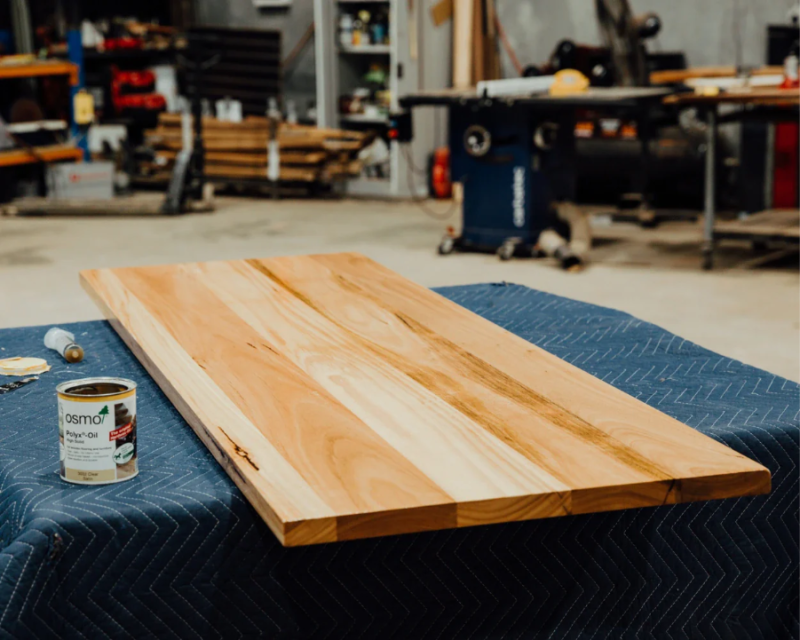
When working on a project that involves wood, precision is key. Ordering custom cut timber ensures your materials arrive ready for installation, reducing waste and saving time. Whether you are a professional joiner, a DIY enthusiast, or a trade contractor, understanding how to measure, order, and handle timber and panels is essential for a smooth workflow.
This guide provides clear steps for planning your timber requirements, submitting accurate orders, managing delivery, and ensuring successful installation. By following this process, you can confidently create high-quality results while minimising errors and delays.
Understanding Timber and Panels Before Ordering
The first step in any timber project is selecting the right materials. Panels and solid timber have different characteristics and uses:
- Panels such as MDF, plywood, and OSB are ideal for cabinetry, linings, partitions, or decorative surfaces. Accurate cutting ensures they fit perfectly without on-site trimming.
- Solid timber is used for visible joinery, doors, trims, and other structural applications. It requires precise sizing to match your project specifications and maintain a clean finish.
Knowing the type of timber needed for each part of your project simplifies the ordering process and ensures consistent results.
Measuring Timber Accurately
Accurate measurements are the foundation of any successful custom cut timber order. Start by measuring the height, width, and depth of the areas where the timber will be installed. Include allowances for trimming, sanding, or edging when necessary.
Pay attention to grain direction for visible timber pieces. For panels, ensure that dimensions match the intended layout. Taking time to measure carefully prevents errors, material waste, and installation delays.
Panel Cutting and Timber Sizing
Panel cutting involves resizing sheets such as MDF or plywood to the required dimensions. This ensures that each piece fits smoothly into cabinets, wall linings, or furniture projects.
Timber sizing applies to solid wood, where lengths and widths need to be tailored to the joinery or structure. Clear instructions regarding measurements, grain direction, or special angles ensure the timber is ready to use upon delivery.
Proper sizing at the ordering stage reduces adjustments on-site and maintains the quality of the finished work.
Submitting a Clear Order
Submitting a precise order is critical for accuracy. Include the following:
- Material type
- Thickness
- Length and width
- Quantity
- Notes for special cuts, angles, or orientation
Providing a simple sketch can help the cutting team visualise your requirements. Reviewing all details before sending the order reduces the likelihood of mistakes and ensures your materials meet project needs.
If you are working with doors, explore options here : Custom exterior doors
Planning for Delivery and Handling
Receiving timber and panels safely is just as important as ordering them correctly. Ensure access for delivery vehicles and prepare a clean, flat area for storage. Large panels should be handled with two people to prevent bending or damage, while solid timber may require careful support during unloading.
Proper handling preserves the quality of your materials, making installation faster and simpler.
Best Practices for Installation
Even perfectly cut timber requires careful installation. Allow the timber to acclimatise to the environment before fitting, especially if it’s moving between different temperature or humidity conditions.
Use appropriate fixings and adhesives, avoid forcing pieces into tight spaces, and ensure joints are smooth and level. Edges and visible surfaces should be aligned for a professional appearance. Following these practices will enhance both the look and durability of your work.
If your project includes interior solutions, check these: Custom interior doors
Maintaining Timber After Installation
Timber performs best when maintained correctly. Keep surfaces dry, clean, and inspect periodically for movement or wear. Refinishing when necessary keeps the wood looking fresh, while protecting exterior timber from weather ensures long-term performance.
Routine maintenance helps preserve the appearance and functionality of your custom-cut materials over time.
When to Seek Professional Guidance
Certain projects may require expert advice to achieve the best results. If you are unsure about measurements, timber selection, or cutting methods, consulting a specialist ensures accuracy and reduces the risk of errors.
For professional guidance or further assistance, contact WH Carden
Why Accurate Custom Cut Timber Matters
Accurate cuts improve the overall quality of your project. Materials that fit perfectly reduce installation time, prevent gaps or uneven surfaces, and support a clean, professional finish. Pre-cut timber allows craftsmen to focus on assembly and finishing, rather than trimming or adjusting on-site.
Correct sizing also minimises waste, saving both time and resources. Every project benefits from clear preparation and precise cutting.
Supporting Large Projects with Pre-Cut Timber
Large-scale projects, such as commercial fit-outs or multi-room installations, benefit from pre-cut timber. Consistency across multiple pieces ensures a cohesive appearance and smooth workflow. Providing clear specifications and accurate measurements guarantees repeatable results for multiple sections of your project.
Enhancing Craftsmanship Through Preparation
Well-prepared materials make the installation process more straightforward and improve the overall finish. Accurate panel cutting, consistent timber sizing, and thoughtful order submission allow craftsmen to deliver high-quality results with minimal adjustments.
Whether you are fitting doors, cabinetry, or decorative panels, preparation supports precision and enhances the final look.
Final Checks Before Installation
Before beginning installation, review your materials against the order list. Verify that dimensions match your specifications and that grain or panel orientation is correct. This final check ensures installation proceeds efficiently and reduces the risk of errors.
For high-quality materials suited to precise work, WH Carden provides expert timber supply:
Conclusion
Ordering custom cut timber correctly saves time, reduces waste, and supports professional-quality results. By selecting the right materials, measuring accurately, submitting clear orders, and handling and installing timber thoughtfully, your projects will look polished and perform reliably.
Following this guide ensures every piece of timber arrives ready for use, helping both trade professionals and DIY enthusiasts achieve smooth, accurate, and long-lasting results.
FAQ
2: How do I measure timber accurately for my order?
Accurate measurements are key for successful custom timber orders. Measure the height, width, and depth of the intended installation space carefully. Include allowances for sanding, trimming, or finishing, and note the grain direction for visible pieces. Clear measurements prevent mistakes, reduce waste, and ensure a smoother installation.
3: What should I include when submitting a timber cutting order?
A clear order should specify material type, thickness, length, width, quantity, and any special instructions, such as angles or visible grain direction. Even a simple sketch can help the cutting team understand your requirements. Precise details reduce errors, ensure your timber fits perfectly, and help maintain the quality of your project.
4: How should I handle and maintain timber after delivery?
Handle timber and panels with care, keeping them flat and dry to prevent warping or damage. Large pieces should be moved with assistance, while exterior timber needs protection from moisture. After installation, regular cleaning, inspection, and refinishing when needed will ensure long-lasting performance and maintain the timber’s appearance.